Meal Planning for Beginners:
How to Plan a Week of Meals
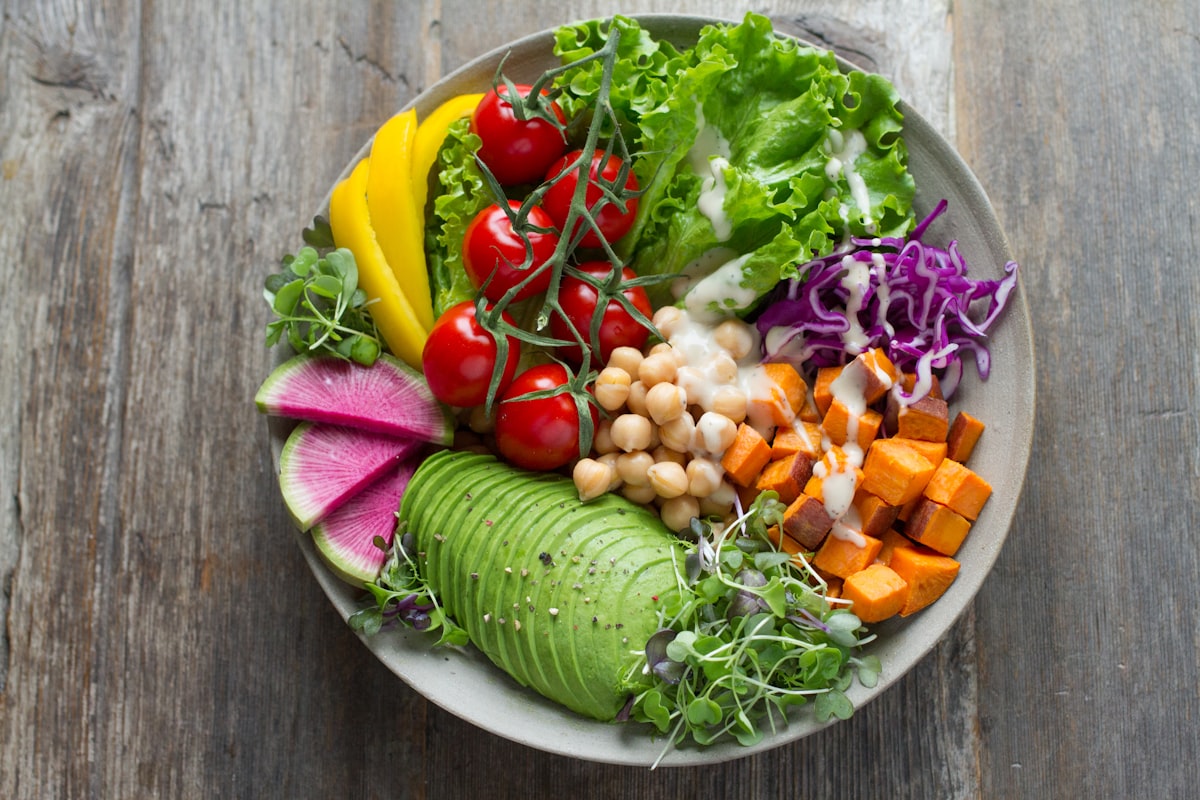
Meal planning is one of the highest-leverage habits you can build in the kitchen. In 30 minutes of planning once a week, you can eliminate daily decision fatigue, cut your grocery bill, and eat better — all at the same time.
This guide walks you through a simple 5-step system, a complete 7-day sample plan with recipes, and the shopping list strategy that makes it effortless. Whether you've never planned a meal in your life or you've tried and given up before, this is where you start.
The Numbers Don't Lie
People who regularly plan their meals don't just eat better — they spend less, stress less, and waste almost nothing. Here's what the research shows:
The core reason meal planning works is simple: decisions made in advance are better than decisions made when you're hungry, tired, or rushed. When you already know what's for dinner before you open the fridge, you skip the scramble, avoid the takeout order, and cook something real.
The 5-Step Meal Planning System
Follow these steps in order every Sunday (or whichever day precedes your grocery run). Each step takes about 5 minutes.
Choose Your Recipes
Pick 2–3 breakfasts, 2–3 lunches, and 3–4 dinners you'll rotate throughout the week. Start small — you don't need a different meal every single day.
Build Your Schedule
Look at your calendar for the week. Assign quick recipes (under 30 min) to busy days. Reserve longer recipes for nights when you have more time.
Write Your Shopping List
Go through each recipe and write down every ingredient you need. Then group items by aisle — produce, proteins, pantry, dairy — to make your grocery run efficient.
Prep in Batches
After shopping, spend 60–90 minutes prepping: cook grains, chop vegetables, marinate proteins, and wash salad greens. This front-loaded work pays off every single night.
Execute and Adjust
Follow your plan through the week. Didn't cook Wednesday's dinner? No stress — swap it with Thursday's. Note what worked and what you'd change when planning the following week.
Your Free 7-Day Beginner Meal Plan
This plan is built around quick, proven recipes — American classics for breakfast and lunch, with classic Italian dinners mixed in for variety. Every recipe is under 45 minutes. Dinners are repeated once to simplify shopping and cooking.
| Day | 🌅 Breakfast | ☀️ Lunch | 🌙 Dinner |
|---|---|---|---|
| Monday | |||
| Tuesday | |||
| Wednesday | |||
| Thursday | |||
| Friday | |||
| Saturday | |||
| Sunday | Leftovers 🎉 ⏱ 0 min | Free Choice + Meal Prep Plan next week over dinner |
💡 Note on repeats: Repeating meals is intentional, not lazy. It halves your prep time, simplifies shopping, and reduces waste. Most meal planning pros repeat 40–50% of their weekly meals.
How to Build a Meal Plan Shopping List
A disorganized shopping list turns a 20-minute grocery run into 45 minutes of wandering. Group your list by store section to shop in a single pass, every time.
Produce First
List all fresh vegetables and fruits together. Shop this section first while items are at full stock. Buy what you'll use within 5 days fresh; freeze the rest.
Proteins Together
Group all meats, poultry, and fish. Buy proteins in bulk and portion them when you get home — 15 minutes of work that saves prep time all week.
Pantry Staples
Canned goods, pasta, rice, oils, and spices. Check your pantry before writing this section — most of these items you already have. Only buy what you're running low on.
Dairy & Refrigerated
Eggs, cheese, milk, butter, and condiments. Shop this section last — refrigerated items stay coldest when they're in the cart for the shortest time.
Let RecipeOK Build Your Plan
RecipeOK's meal planning tools do the heavy lifting for you — auto-generate a personalized weekly plan, then produce a consolidated shopping list organized by aisle in one click.
- Generate a full week's plan in seconds
- Drag and drop meals to rearrange your schedule
- Auto-generated shopping list, sorted by store section
- Save, print, or share your plan with your household
7 Meal Planning Mistakes Beginners Make
These are the most common reasons people try meal planning, get frustrated, and quit. Knowing them in advance puts you ahead.
- Planning too many new recipes at once Trying 5 new recipes in one week is overwhelming. Limit yourself to one new recipe per week while you build the habit.
- Not accounting for your schedule Assigning a 60-minute recipe to a Tuesday you know will be back-to-back meetings is a plan that will fail. Always match recipe complexity to available time.
- Buying ingredients without checking the pantry Buying olive oil, pasta, and canned tomatoes every week when you already have them wastes money and creates clutter. A 2-minute pantry check saves real dollars.
- Refusing to repeat meals Chasing variety every single day makes your shopping list complicated and your cooking harder. Strategic repeats are the hallmark of efficient meal planners.
- Forgetting lunches Most people plan great dinners and buy lunch every day. Lunches are the biggest daily food spend. Even one or two homemade lunches per week makes a measurable difference.
- Skipping the prep session Buying the groceries is 30% of the work. If you don't do even a light Sunday prep — chopping, marinating, cooking a grain — you'll find excuses not to cook on weeknights.
- Giving up after one imperfect week Your first week won't be perfect. You'll skip a meal, something will go bad, or you'll order out one night. That's normal. The habit builds over 3–4 weeks, not one.
Frequently Asked Questions
What is meal planning?
How long does meal planning take each week?
How much money does meal planning actually save?
How many meals should I plan per week as a beginner?
Is it okay to repeat meals during the week?
What if I don't have time to cook every night?
How far in advance should I plan my meals?
Is meal planning actually worth it?
Ready to Start Planning?
You have the system. You have a 7-day sample plan to follow. The only thing left is to open your planner and write down this week's meals — it takes 20 minutes and changes your whole week.
Open RecipeOK's Free Meal Planner →