Italian Cuisine
Pasta allo Scarpariello
By Antonio Esposito, Neapolitan Chef and teacher of traditional Campanian cooking
Rate this recipe
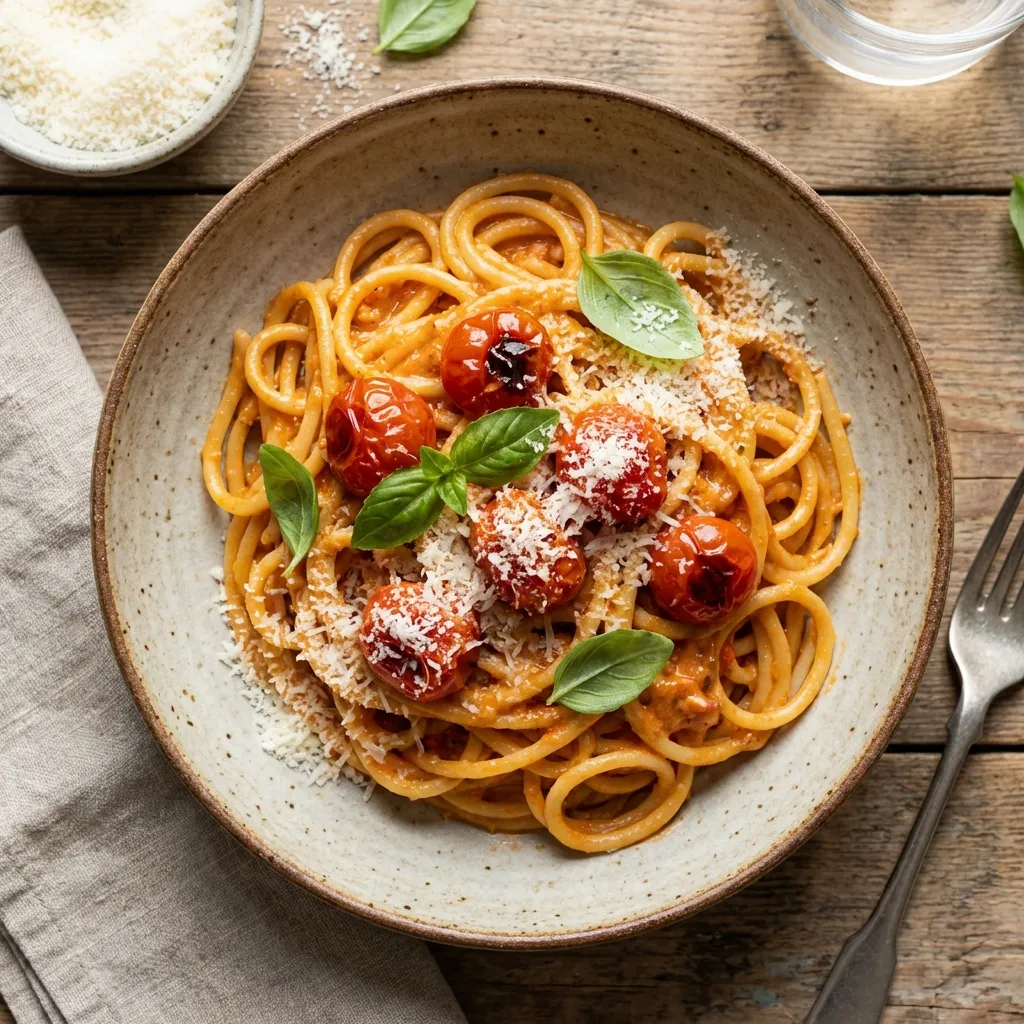
Pasta allo scarpariello is a beloved Sunday dish from Naples whose name, 'the shoemaker's pasta,' carries the everyday genius of Neapolitan cucina povera. The most common story is that it was the cobblers' Monday dish, made from what was left over from Sunday: the tail end of the tomato sugo and the rinds and scraps of grated cheese that thrifty households never wasted. Another tale links the name to the way the cheese 'mends' the sauce together the way a shoemaker mends shoes, with everything brought together by hand at the last moment. Either way, it is a dish of resourcefulness, traditionally born in the Spanish Quarter of Naples and tied to the produce of Campania, especially the small, intensely sweet tomatoes that thrive in the volcanic soil around Vesuvius. The soul of the dish is the marriage of two cheeses, the sharp, salty Pecorino Romano and the milder Parmesan, beaten into the hot pasta with a ladle of starchy cooking water until they emulsify into a glossy, creamy sauce, the Neapolitan technique known as mantecatura. There is no cream and no butter; the creaminess is pure emulsified cheese. Garlic is bloomed in good olive oil and then removed, ripe cherry tomatoes are cooked just until they burst and release their juices, and fresh basil perfumes the finish. Quick, frugal, and deeply satisfying, scarpariello is proof that the best Neapolitan food turns humble pantry staples into something memorable.
Ingredients
Serves 4Instructions
- 1
Bring a large pot of salted water to a boil. Add the pasta and cook until al dente, about 1-2 minutes less than the package instructions.
- 2
While the water is heating, prepare the sauce. In a large skillet or wok, heat the olive oil over medium heat. Add the smashed garlic and red pepper flakes. Sauté for 2-3 minutes until the garlic is golden and fragrant.
- 3
Add the halved cherry tomatoes to the skillet. Cook over medium-high heat for about 8-10 minutes, stirring occasionally, until the tomatoes soften and release their juices. Remove the garlic cloves.
- 4
When the pasta is ready, drain it, reserving about 1 cup of pasta water. Transfer the pasta directly into the skillet with the tomatoes.
- 5
Toss the pasta with the sauce over medium heat for 1-2 minutes. Add a splash of pasta water if the sauce is too dry.
- 6
Remove the skillet from the heat. Stir in the grated Pecorino Romano and Parmesan cheeses and the fresh basil leaves. Toss vigorously until the cheese melts and forms a creamy sauce (the 'mantecatura').
- 7
Serve immediately, garnished with extra basil and a drizzle of olive oil if desired.
Chef's Tips
- ✦ Use the best ripe cherry or datterini tomatoes you can find; the dish has so few ingredients that tomato quality decides the result. Cook them until they collapse and release their juices.
- ✦ Bloom the smashed garlic in the oil until golden and fragrant, then fish it out as the recipe says. This flavors the oil without leaving harsh raw garlic in the finished sauce.
- ✦ Grate the Pecorino and Parmesan finely and let them lose their fridge chill before using; cold, coarsely grated cheese is the main reason the sauce clumps instead of turning creamy.
- ✦ The mantecatura is everything: take the pan off the heat before adding the cheese, then toss vigorously with a splash of starchy pasta water. Adding cheese over high heat makes it seize into stringy lumps.
- ✦ Keep about a cup of pasta water in reserve and add it a little at a time. The starch is what emulsifies the cheese and oil into the glossy, creamy sauce that defines this dish, no cream required.
Ingredient Substitutions
-
cherry tomatoes → datterini tomatoes or canned San Marzano tomatoes, crushed
Sweet datterini are the most authentic choice. Out of season, a good can of crushed San Marzano tomatoes makes an excellent sauce; cook it a little longer to concentrate.
-
Pecorino Romano → more Parmesan or Grana Padano
Pecorino brings the signature sharp, salty bite. If it is too strong for you, shift the ratio toward Parmesan, but keeping some sheep's-milk cheese is what makes the dish taste like scarpariello.
-
paccheri or spaghetti → rigatoni, mezzi paccheri, or vermicelli
The recipe already offers paccheri or spaghetti. Any sturdy shape that grabs the cheesy sauce works; ridged tubes like rigatoni hold it especially well.
-
fresh basil → fresh parsley, or a little dried oregano
Basil is classic and very Neapolitan. Parsley gives a fresher, greener note; a pinch of oregano leans more rustic. Add tender herbs off the heat to keep them fragrant.
-
red pepper flakes → fresh peperoncino or omit
Heat is optional in scarpariello. A fresh sliced chili gives a cleaner kick, or leave it out entirely for a milder, family-friendly version.
Tags
Frequently Asked Questions
Why is it called pasta allo scarpariello? ▼
The name means 'the shoemaker's pasta.' The most common explanation is that Neapolitan cobblers made it on Mondays from Sunday's leftover tomato sauce and cheese scraps, a classic example of cucina povera that wastes nothing.
Is pasta allo scarpariello vegetarian? ▼
Yes, as written it is vegetarian, made with tomatoes, garlic, olive oil, basil, and cheese. Note that traditional Pecorino Romano and Parmesan are often made with animal rennet, so strict vegetarians may want to seek out rennet-free versions.
What makes the sauce creamy without cream? ▼
The creaminess comes from the mantecatura: grated Pecorino and Parmesan are beaten into the hot pasta with starchy cooking water off the heat. The starch emulsifies the cheese and oil into a glossy sauce, so no cream or butter is needed.
Which pasta shape is best for scarpariello? ▼
Paccheri (large tubes) and spaghetti are traditional, and both are named in the recipe. Any sturdy shape that catches the cheesy tomato sauce works well, including rigatoni, mezzi paccheri, or vermicelli.
Why does my cheese clump instead of going creamy? ▼
Clumping usually means the cheese hit too much heat or was too cold and coarse. Pull the pan off the burner first, use finely grated cheese at room temperature, and add starchy pasta water while tossing vigorously.
Can I use canned tomatoes instead of fresh? ▼
Yes. When ripe cherry or datterini tomatoes are out of season, good canned San Marzano tomatoes, crushed, make a fine sauce. Simmer them a little longer to concentrate the flavor before adding the pasta.