Classic Italian Pasta Recipes Everyone Should Master
Italian pasta is proof that the finest food comes from restraint—a handful of excellent ingredients, treated with technique and respect.
These 7 iconic dishes span Rome, Naples, and Sicily. Each one is a lesson, a tradition, and a deeply satisfying meal.
What you'll learn:
- ✓Authentic regional recipes—Roman, Neapolitan, and Sicilian
- ✓Ready in 20–45 minutes, all on a weeknight
- ✓Creamy, tomato, seafood, and vegetarian styles covered
- ✓Technique tips that will improve everything you cook
7 Best Classic Italian Pasta Recipes
From the trattorias of Trastevere to the seafront kitchens of Naples, Italian pasta tradition is built on one principle: fewer ingredients, done perfectly, every time. These seven recipes are the ones worth learning first.
Quick Comparison: Italian Pasta Recipes at a Glance
| Recipe | Prep | Total Time | Style | Vegetarian? |
|---|---|---|---|---|
| Spaghetti Carbonara | 10 min | 25 min | Silky & Rich | No |
| Pasta all'Arrabbiata | 5 min | 25 min | Fiery & Vegan | Yes |
| Fettuccine Alfredo | 5 min | 20 min | Buttery & Elegant | Yes |
| Spaghetti alle Vongole | 10 min | 30 min | Briny & Coastal | No |
| Pasta alla Norma | 15 min | 45 min | Sicilian & Vibrant | Yes |
| Penne alla Vodka | 10 min | 30 min | Creamy Tomato | Optional |
| Bucatini all'Amatriciana | 10 min | 35 min | Spicy & Roman | No |
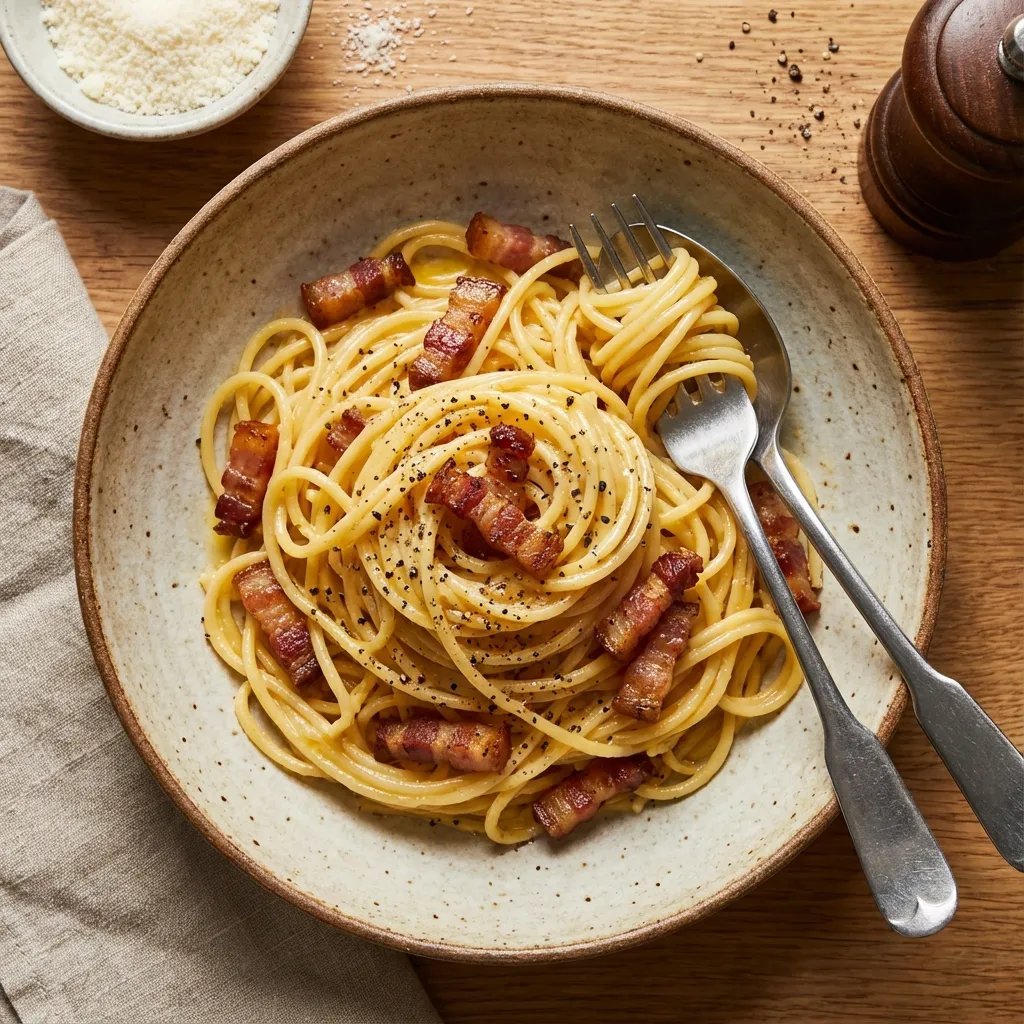
1. Classic Spaghetti Carbonara — Rome’s Most Celebrated Pasta
Five ingredients. Twenty-five minutes. One of the most revered pasta dishes in the world. Carbonara’s power lies in how eggs and finely grated Pecorino Romano transform—off the heat, with just the residual warmth of the pan—into a silky, glossy sauce that coats every strand like velvet. No cream. No shortcuts. If you learn one pasta technique, make it this one.
Classic Spaghetti Carbonara
The dish that teaches you everything about Italian pasta technique: the pasta water trick, finishing off heat, the emulsification magic. Master this and every creamy sauce becomes easier. A Roman weeknight classic that never, ever gets old.
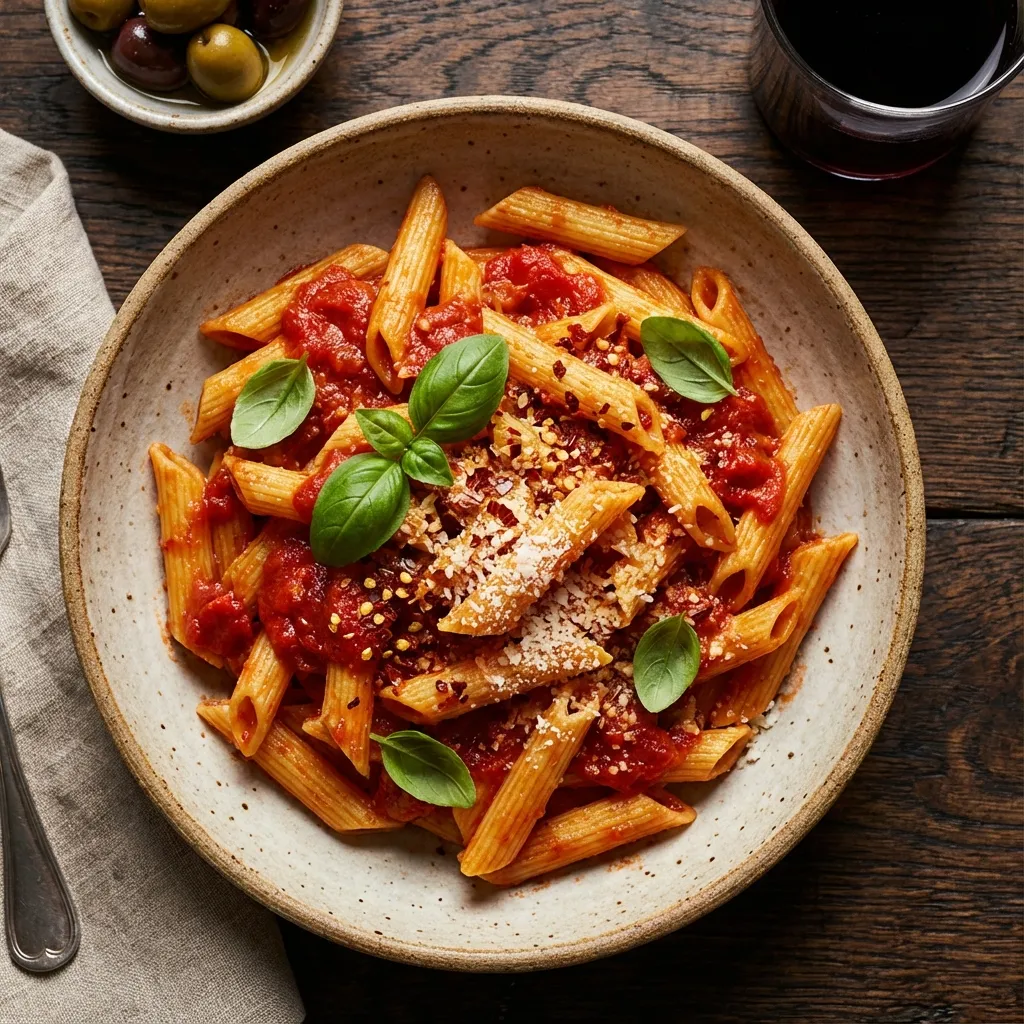
2. Pasta all’Arrabbiata — Angry, Fiery, and Unapologetic
The word arrabbiata means “angry” in Italian—and this pasta wears its fire proudly. Chili, garlic sizzled in good olive oil, crushed San Marzano tomatoes, and little else. The result is bold, bracingly spicy, and intensely satisfying. Romans make this at midnight. It’s done in 25 minutes and doesn’t apologize for anything.
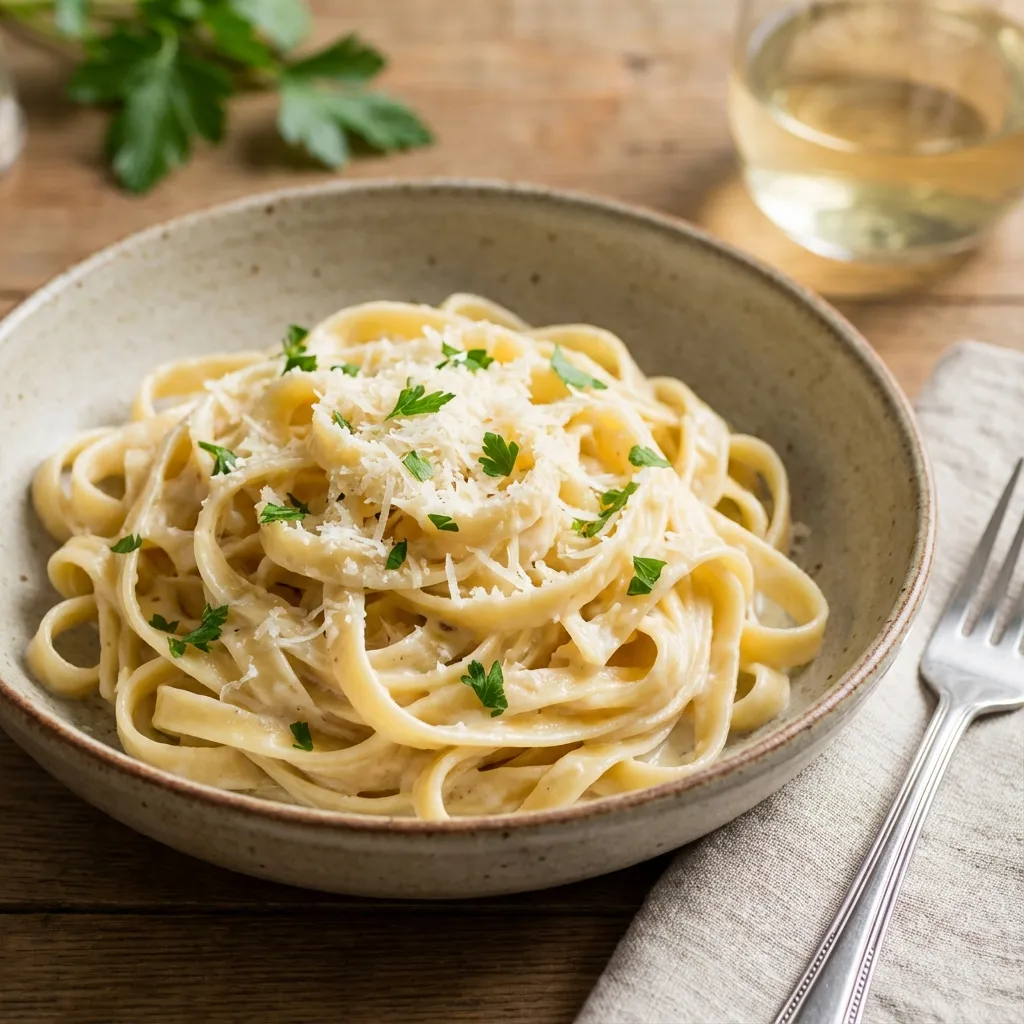
3. Fettuccine Alfredo — The Roman Original (It’s Not What You Think)
Forget the heavy, cream-smothered restaurant version exported to the world. Real fettuccine Alfredo—the original, from Rome—is butter, Parmigiano-Reggiano, and pasta water. In a warm bowl, those three ingredients become something almost miraculous: a glossy, clinging sauce that ribbons around every strand of fettuccine. Done in twenty minutes. Three ingredients. This is what Italian restraint tastes like.
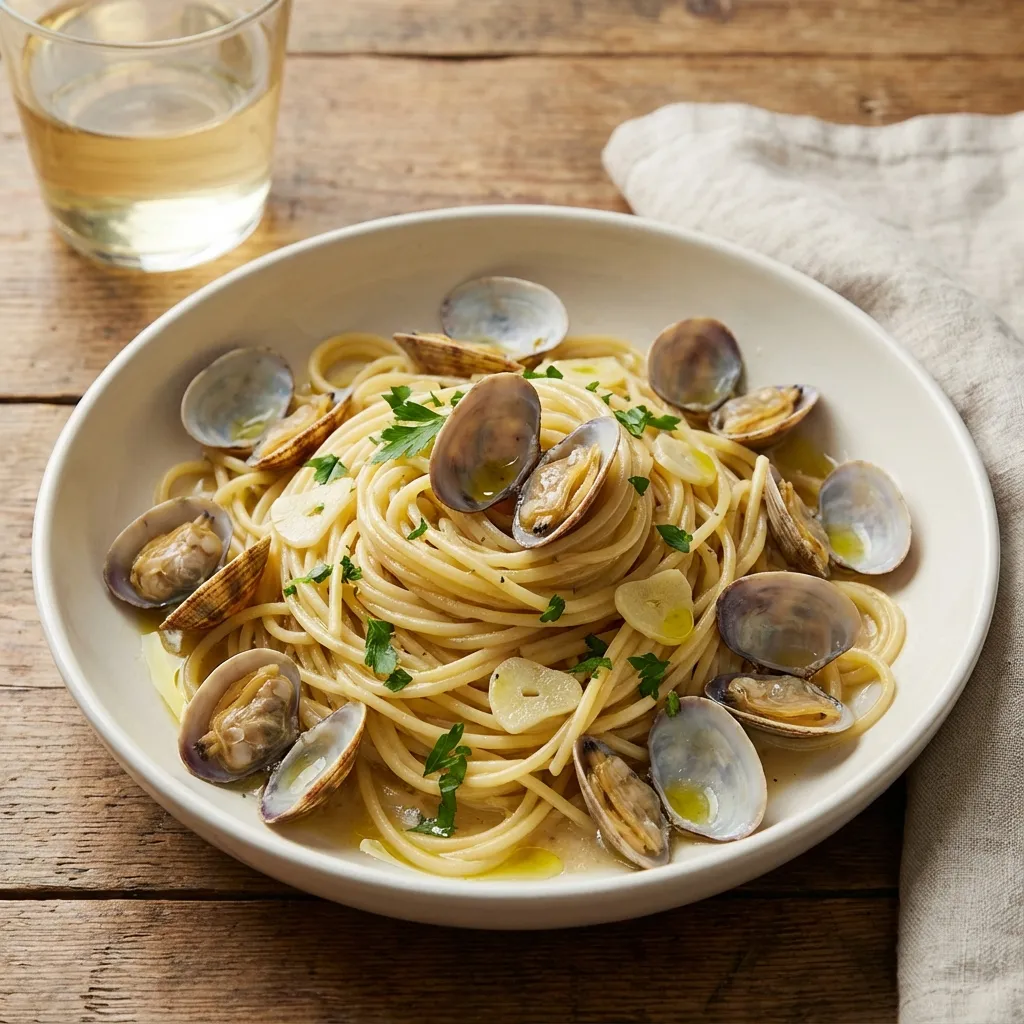
4. Spaghetti alle Vongole — Bring the Sea to Your Table
The moment clam shells pop open in a hot pan scented with garlic and white wine, you’ll understand why this dish has endured for centuries. The briny clam liquor merges with the wine to create a fragrant, mineral-forward sauce that no bottle of stock can replicate. Light, intensely flavored, and finished in minutes—this is the dinner for a Tuesday night that feels like a Friday restaurant.
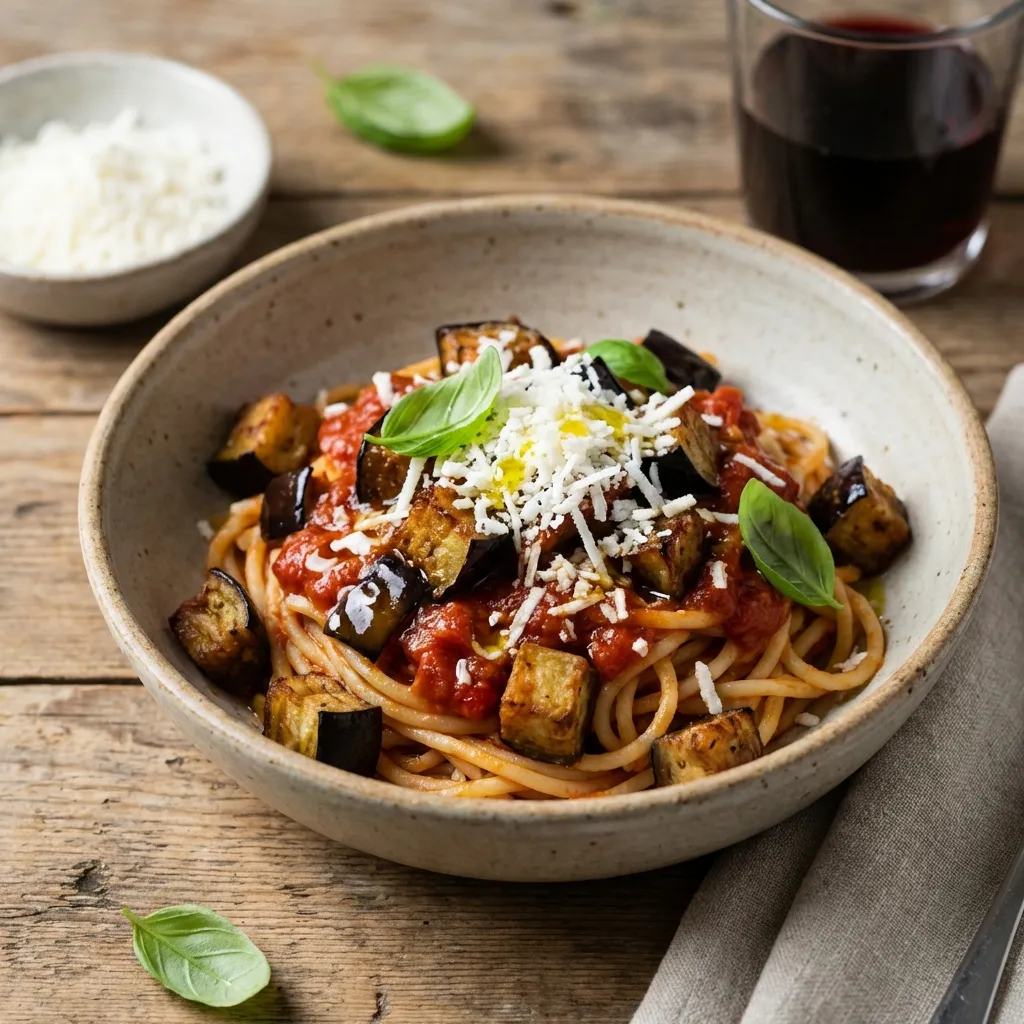
5. Pasta alla Norma — Sicily’s Vegetarian Triumph
Sicily’s greatest contribution to pasta. Eggplant, sliced and fried until golden and almost jammy, tumbles into a bright tomato sauce and gets crowned with salty, crumbly ricotta salata. The contrast—yielding eggplant, acidic tomato, sharp aged cheese—is textbook Italian balance. This is the vegetarian pasta that makes meat eaters forget what they’re missing.
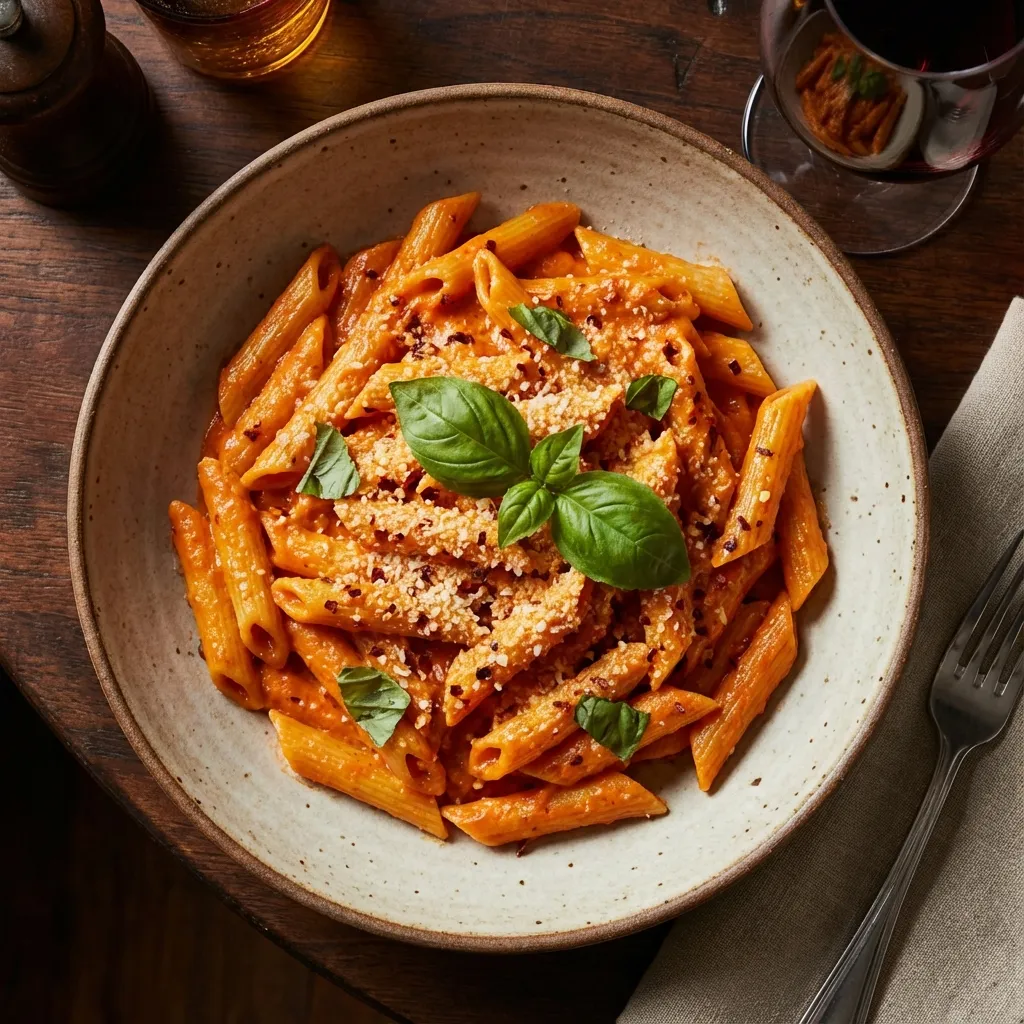
6. Penne alla Vodka — A Sauce That Tastes More Like Itself
Velvety tomato cream, a quiet whisper of chili, and penne designed to trap every last drop. The vodka isn’t incidental—it unlocks aromatic compounds in the tomato that neither wine nor water can reach, making the sauce taste more tomatoey than any other tomato sauce you’ve made. Rich, warming, and endlessly craveable.
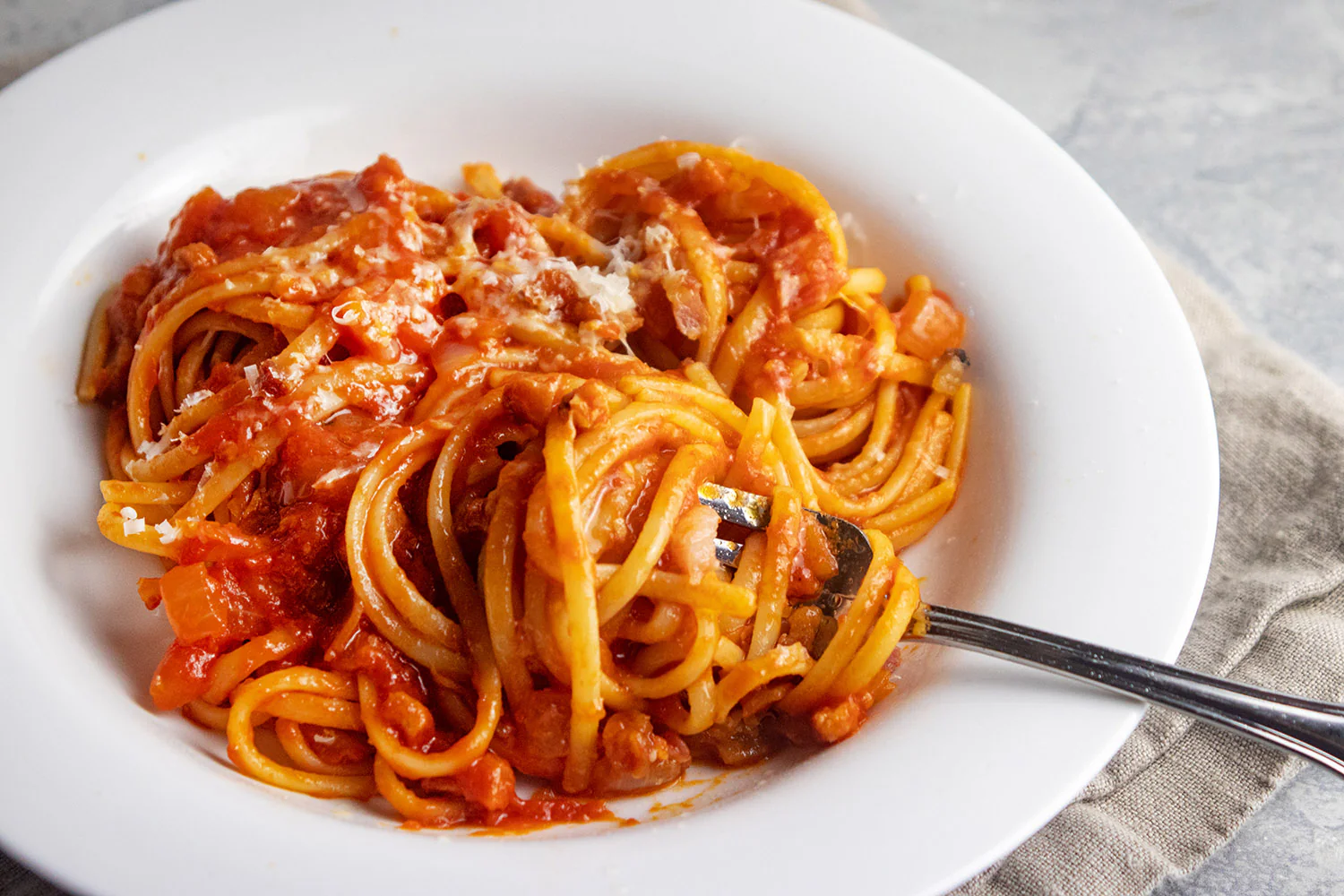
7. Bucatini all’Amatriciana — The Rustiest, Warmest Roman Classic
Guanciale—cured pork cheek—renders slowly until golden and crackling. Then the tomatoes go in, the chili goes in, and the whole pan becomes something greater than its parts. Bucatini (hollow spaghetti that traps sauce inside and out) is the only pasta for this. Named after the hill town of Amatrice and beloved across Rome, this is the most warmly rustic of the four Roman pasta classics.
Why These Pasta Recipes Matter
These seven dishes aren’t just dinner—they’re an education. Carbonara teaches emulsification. Arrabbiata teaches restraint. Vongole shows you how seafood makes its own sauce. Each recipe carries centuries of kitchen wisdom, encoded into a handful of ingredients and a few careful steps. Learn these and you learn how to cook.
The Golden Rule of Italian Pasta
If your ingredient list has more than 10 items, you’re overcomplicating it. The best Italian pasta dishes use 5–8 quality ingredients and 20–45 minutes. Simplicity is not a limitation—it’s the whole point.
The Four Roman Classics
Rome claims four pasta dishes as its own: Cacio e Pepe (cheese and pepper), Carbonara (eggs and guanciale), Amatriciana (tomato and guanciale), and Gricia (guanciale and Pecorino, no egg, no tomato). This collection features three of them. Collectively, they represent Rome’s culinary identity—an insistence on quality over quantity, technique over complexity.
How to Cook Perfect Pasta Every Time
The difference between pasta that’s fine and pasta that’s extraordinary comes down to a handful of non-negotiable techniques. None of them are difficult. All of them matter.
Salt Your Water Aggressively
Pasta water should taste like the sea—properly seasoned, not timid. This is the only window to season the pasta itself. Under-salted water produces bland pasta no sauce can rescue.
Cook to Al Dente, Not Beyond
Al dente (firm to the bite) isn't a preference—it's structural. Overcooked pasta turns soft and slippery, refusing to bond with sauce. Taste it 2 minutes before the package time says.
Reserve a Cup of Pasta Water
Starchy pasta water is the secret weapon of every Italian kitchen. It emulsifies, thickens, and binds—turning separate ingredients into a unified sauce. Always save at least half a cup before draining.
Add Pasta to Sauce, Never Sauce to Pasta
Toss your hot drained pasta directly into the sauce in the pan. This gives the pasta a few seconds to absorb flavor and gives the sauce something to cling to. It's the opposite of what most non-Italians do.
Finish Egg-Based Sauces Completely Off Heat
Carbonara and Gricia must be finished off heat. Add the egg-cheese mixture while tossing vigorously with the pan removed from the stove. Residual heat is enough—any more and you have scrambled eggs.
Taste Before Plating, Then Adjust
A great pasta is seasoned in layers—salted water, seasoned sauce, then adjusted at the end. Taste with pasta and sauce together before the bowl reaches the table. A splash of pasta water, a grind of pepper—this is where the difference is made.
Best Pasta Recipes for Every Occasion
Pasta for Every Mood and Moment
| Occasion | Best Recipe | Why It Fits |
|---|---|---|
| Romantic dinner | Spaghetti alle Vongole | Elegant, briny, and ready in 30 minutes. Feels like a Neapolitan trattoria. |
| Tuesday night weeknight | Pasta all'Arrabbiata | 25 minutes, 5 ingredients, deeply satisfying with zero compromise. |
| Vegetarian crowd | Pasta alla Norma | Hearty eggplant and salted ricotta—no one misses the meat. |
| Impressing guests | Spaghetti Carbonara | The technique looks impressive; the taste is unforgettable. |
| Cold-weather comfort | Fettuccine Alfredo | Buttery, enveloping, and done in 20 minutes. A warm hug in pasta form. |
| Special celebration | Penne alla Vodka | Elevated, creamy-tomato richness that feels like a treat without the effort. |
Build a Proper Italian Pasta Pantry
Stock These Once, Cook These Forever
These seven recipes draw from the same small set of ingredients. Buy them well and you can make any of them on zero notice.
- Dried pasta (spaghetti, fettuccine, penne, bucatini) — Buy Italian-made: De Cecco, Rustichella d’Abruzzo, Benedetto Cavalieri
- Pecorino Romano & Parmigiano-Reggiano — Buy whole blocks; pre-grated is not the same
- Extra virgin olive oil — A quality bottle matters especially in oil-forward dishes like Arrabbiata and Vongole
- Guanciale — Cured pork cheek, not bacon. Found at Italian delis or online. Worth seeking out
- San Marzano DOP tomatoes — Sweeter, less acidic, and the only correct choice for these sauces
- Fresh garlic & dried Calabrian chili — The two aromatics that appear in almost every dish
- Fresh clams — For Vongole: buy the day you cook, from a fishmonger you trust
- Very fresh eggs — For Carbonara, freshness is everything; the yolks carry the sauce
Frequently Asked Questions
Can I make carbonara without guanciale? Guanciale is not optional in authentic carbonara—it renders a specific fat that carries the flavor of the whole dish. Pancetta comes close; regular bacon doesn’t. If you absolutely must substitute, use the best pancetta you can find, but seek out guanciale at least once to taste the difference.
How do I prevent scrambled eggs in carbonara? Remove the pan entirely from heat before adding the egg-cheese mixture. Toss vigorously and continuously, using pasta water to control temperature and texture. The residual heat from the hot pasta is enough to cook the eggs gently. If the pan feels too hot, set it on a damp cloth to cool slightly first.
What’s the difference between Amatriciana and Carbonara? Both are Roman, both use guanciale—but that’s where the similarity ends. Carbonara is egg-based, pale gold, and cream-free. Amatriciana is tomato-based, spicy, and decidedly red. They use different techniques, different textures, and taste nothing alike. Both are essential.
Can I use bottled clam juice in Vongole? No—it doesn’t replicate the fresh, briny liquor that live clams release as they steam open. That natural clam liquid is the entire sauce. Buy fresh clams (littleneck or Manila) from a trusted fishmonger the day you plan to cook, and use them that evening.
Is fresh pasta better than dried for these recipes? For all seven recipes here, dried pasta (pasta secca) is correct and preferred. Dried pasta has more structural integrity, better sauce adhesion, and holds al dente texture reliably. Fresh pasta is for stuffed shapes and specific regional traditions—not these Roman and Neapolitan classics.
Can I make these sauces in advance? Tomato-based sauces (Arrabbiata, Amatriciana) improve with a day in the fridge. Make them ahead freely. Egg-based sauces (Carbonara) and cream-based (Alfredo, Vodka) must be made fresh—they break when reheated. Vongole should always be made to order; the clams lose their texture quickly.
What pasta shape goes with what sauce? Long, smooth strands (spaghetti, bucatini, linguine) for oil-forward and seafood sauces. Ribbons (fettuccine) for butter and cream. Ridged tubes (penne, rigatoni) for chunky tomato or vodka sauces that need something to grip. The shape isn’t arbitrary—it’s engineered to carry the sauce correctly.
How do I know when pasta is al dente? Taste it 2 minutes before the package says it’s done. There should be a slight, pleasant resistance in the center—not mushy, not chalky. Bite a strand in half: a thin white “core” (the anima, or soul) should still be visible. That’s al dente. That’s when you drain it.
Start Cooking Tonight
Pick the one that speaks to you most. Read the recipe. Boil a big pot of well-salted water. These seven dishes ask nothing of you except attention—and in return they give you some of the finest food in the world.
Your Italian Pasta Mastery Plan
Begin with Carbonara
It teaches the foundational technique—emulsification—that underlies half of Italian cooking. Once you nail it, everything gets easier.
Make a tomato sauce next
Try Arrabbiata or Amatriciana. These teach restraint and quality: how two or three ingredients can produce a sauce with real depth.
Choose your specialty
Seafood lover? Vongole. Vegetarian? Norma. Special occasion? Vodka. Each one builds on the techniques you've already learned.
Stock the pantry properly
Buy the real guanciale, the block of Pecorino, the San Marzano tomatoes. Ingredient quality is the shortcut that isn't a shortcut.
Cook these on repeat
These aren't one-time bucket-list dishes—they're weeknight staples in millions of Italian homes. Make them yours too.
Discover More Italian Recipes
These seven are the foundation. Explore hundreds more tested recipes in the RecipeOK collection—from quick weeknight staples to elaborate weekend projects, all rooted in real culinary traditions.
Buon appetito—may your water always be salted and your pasta always al dente. 🍝